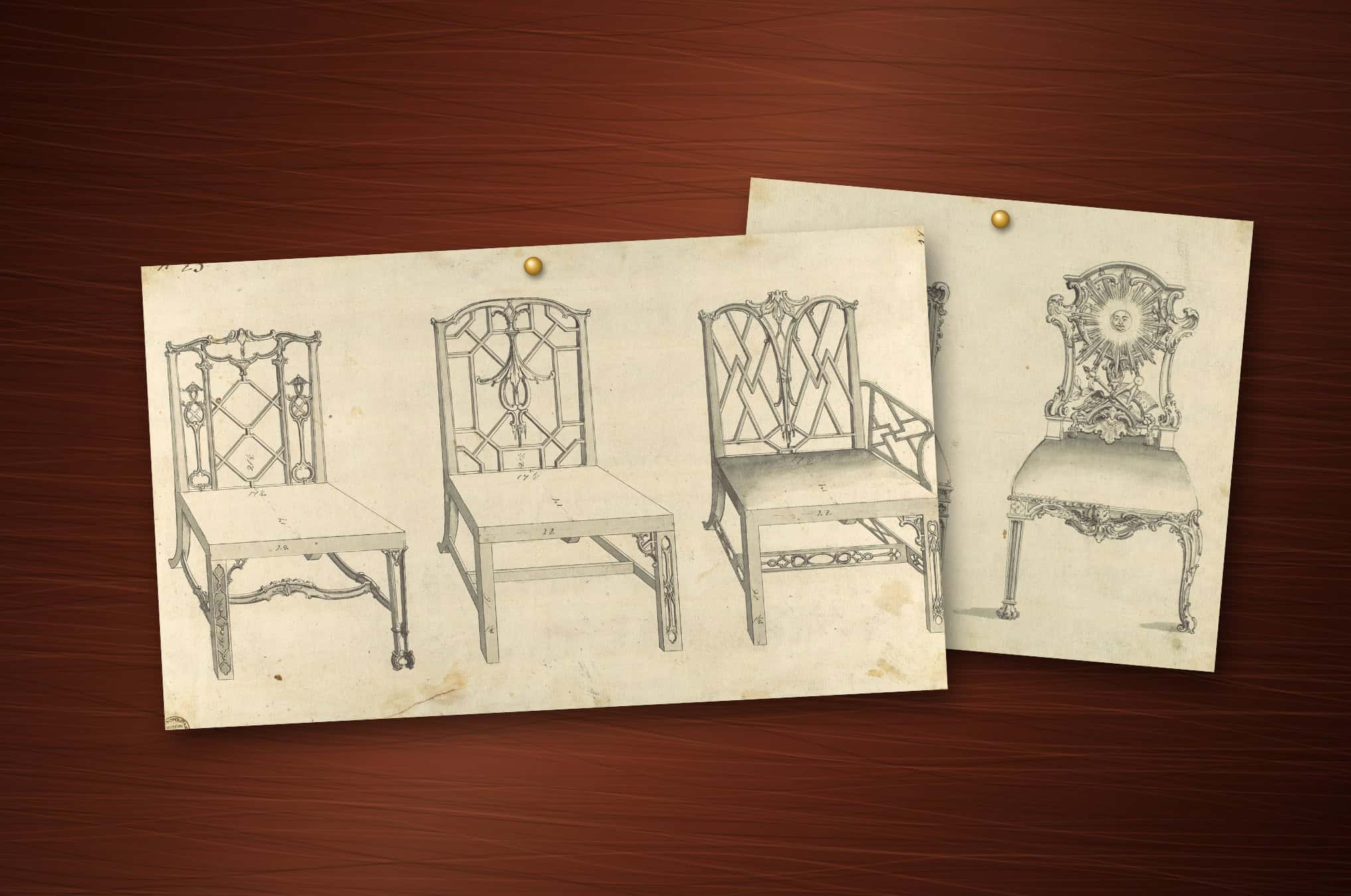
Best way to honor nature is to use furnishings designed to last
Before about 1880 in the United States, people would travel to a photographer’s studio to have their “likeness” taken. A new genre of photography developed around 1880 as photographers could bring mobile cameras with them. The result was entire families standing outside their homes, often with pictures of deceased loved ones, and all their belongings.
Everything they owned, out in the yard
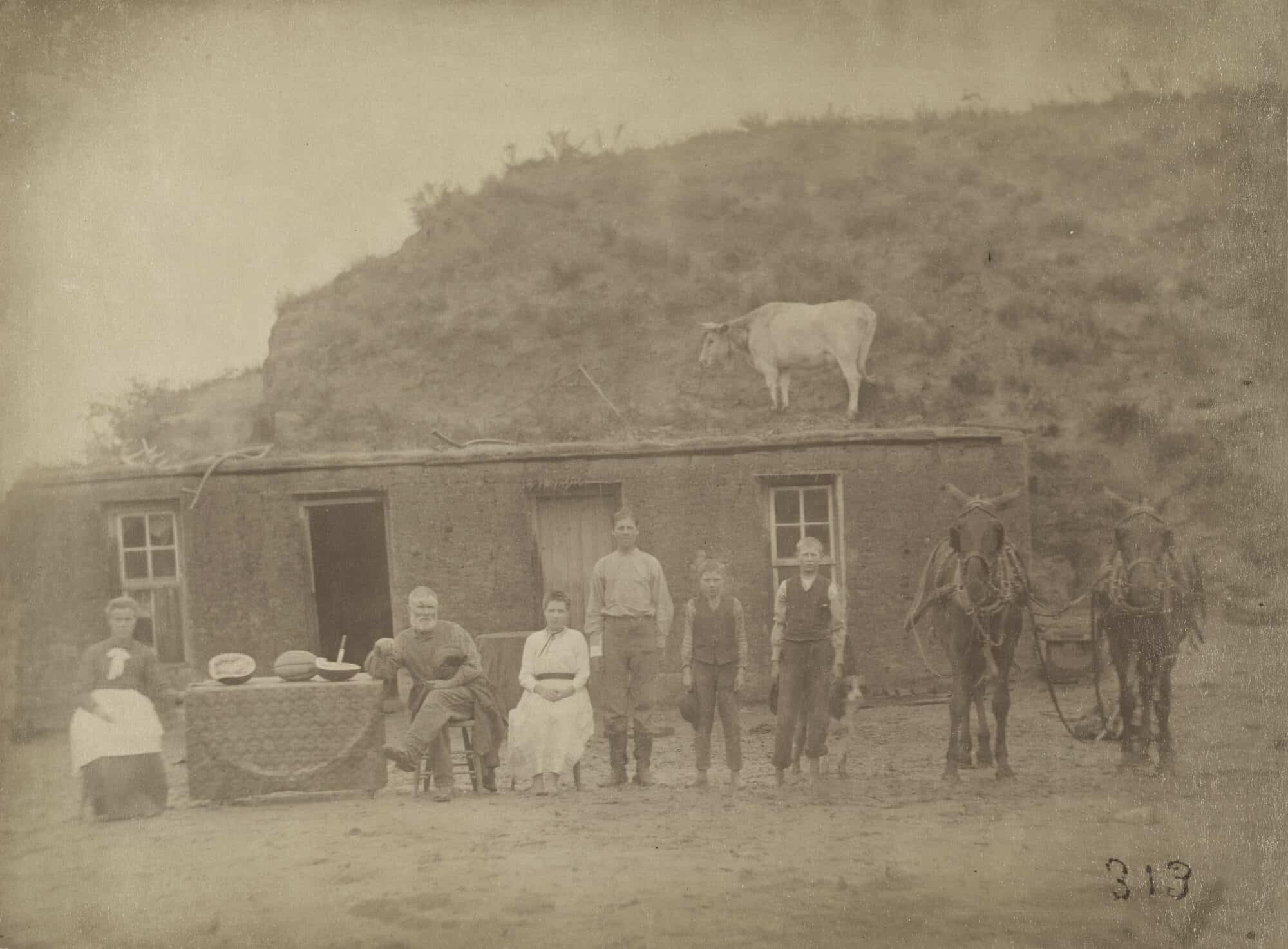
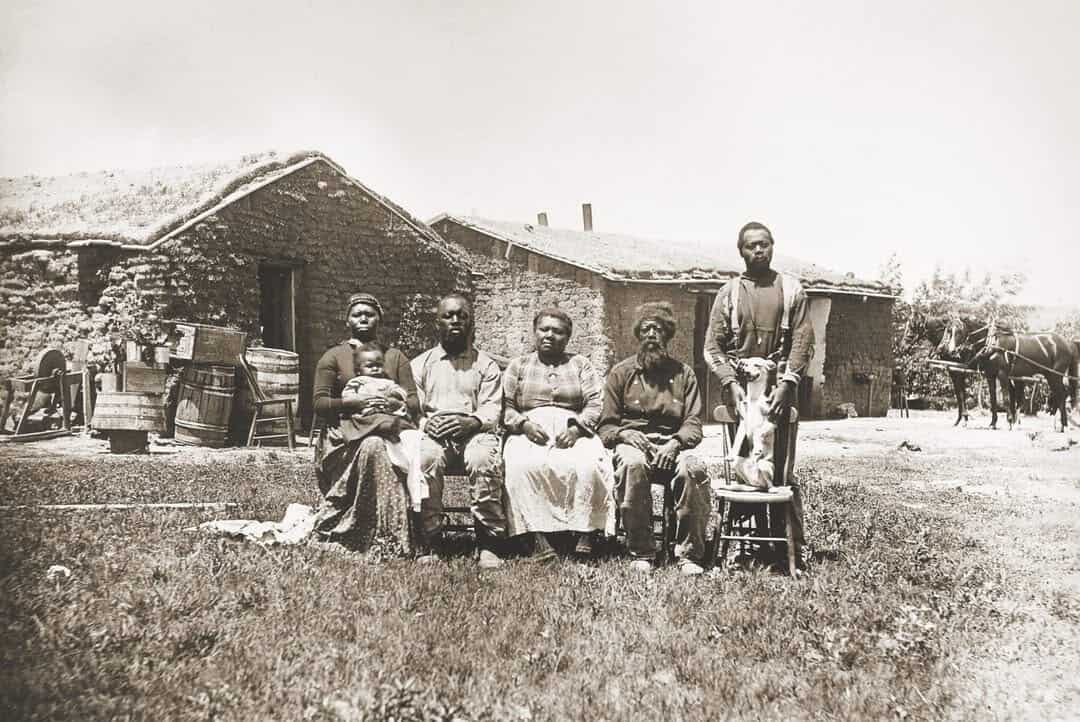
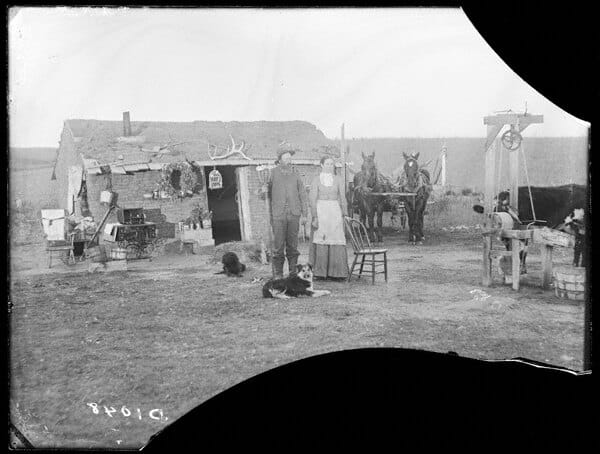
This genre remained popular through about 1910. This seems curious today, but for Americans on the frontier and in the rural Midwest, this was a sign of wealth. They could show the world they had animals, kin, a home, and all the stuff that goes in it. A lot of those belongings seem quaint today, like a wooden table or a chair. Few of us give much thought to our nightstands or end tables.
In our hearts, we know, however, that the tables and chairs in those photos could very well still be around in some antique shop or attic. Passed down from generation to generation, those wood products were a solid concept of wealth. They were bought or made with the promise of long-lasting satisfaction.
Wood, when cared for, can last hundreds of years. It’s why some of the most well-built, stable, and beautiful homes in the world are made of wood from roughly the same era as those family photos.
Few of us cherish the memory of any furnishings or cabinets today because we do not remember them or intend to remember them even 25 years from now. For most of us, we just need a table or a chair, and whatever mass-market item we can find is fine to tuck in the back corner of the bedroom. One of our modern economy’s benefits is perhaps also its biggest downside: we’ve reduced the longevity of many products. Modern commerce has dutifully responded to this desire for newer, cheaper products. From an economic perspective, everything has worked precisely as designed.
But this also means a lot of wood products end up in landfills or incinerators. Bookcases held together with dowels, loveseats glued together at all ends, and other products that can’t hold up results in more waste.
Agrarian and author Wendell Berry wrote from his native Kentucky:
“This is the problem that has frustrated and, to a considerable extent undermined, the American conservation effort from the beginning. It is ultimately futile to please and protest and lobby in favor of public ecological responsibility while, in virtually every act of our private lives, we endorse and support an economic system that is by intention, and perhaps by necessity, ecologically irresponsible.”
Wendell Berry
There are companies and suppliers working in better proportion to these ecological realities. Many, perhaps most, wood product manufacturers have figured out ways of using the least amount of wood possible and extending its life through 2D and 3D laminates and composite panels.
For people who wish and practice respect for the environment and our natural resources, we can:
-
01
Make efforts to purchase products intent on lasting a lifetime from responsible suppliers and manufacturers.
-
02
Remember that wood products can be respected like works of art.
-
03
Remember that wood, like us, comes from nature.
-
04
Focus on manufacturers and suppliers who are working in harmony with their local forests and economies.
For turn-of-the-century families, the house they lived in and the wood products they furnished it with were sourced locally. They knew the craftsman, or men, who made it. Or, they made it themselves out of timber they felled by hand. It was a true local economy, with its economic history and ecological impact well known. We don’t have to take selfies with all our furniture (though bringing back that genre could be fun, if not for all the effort in moving it!). But we should remember where our furnishings came from.