DesignWork : A Lifestyle Brand, Found in the Debris of Overconsumption
Eileen Fisher is an engaged designer who has created a sustainable company that endeavors to stop wasting our resources. With DesignWork, the visionary now pushes her ideas a step further with the recycling of her company’s own goods. Clients sell back their old clothes and regenerate an amazing stream of merchandise.
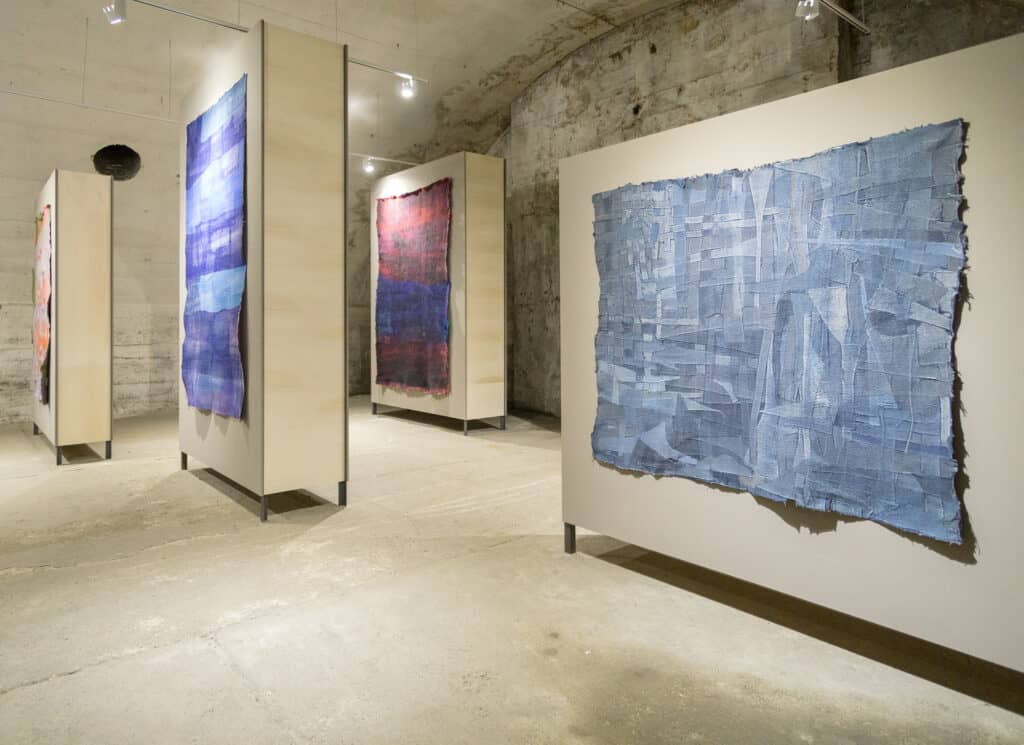
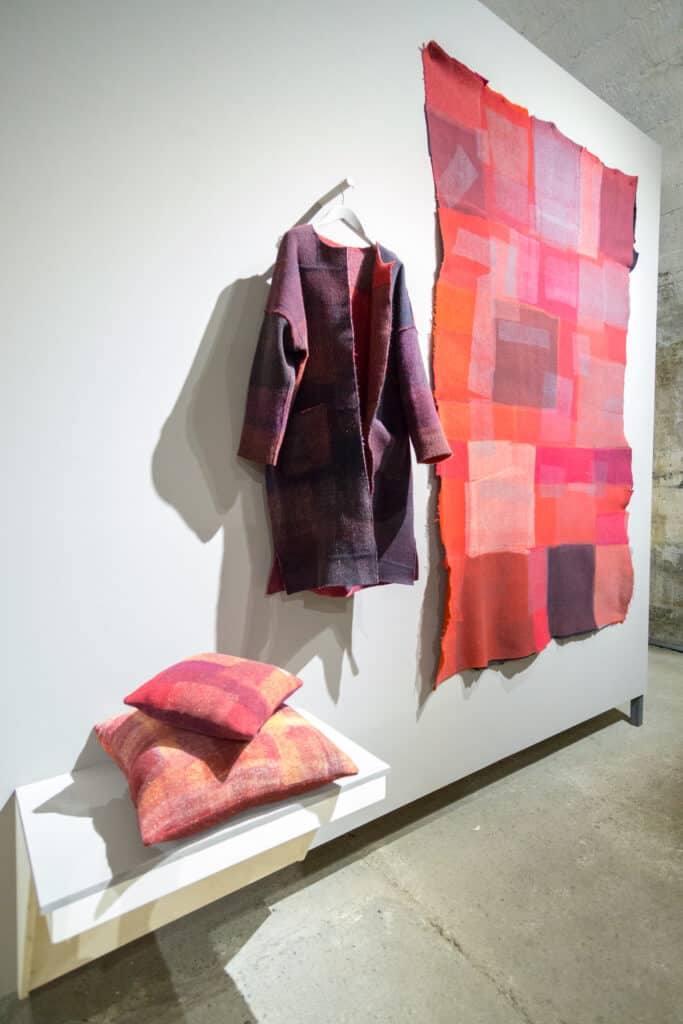
“Textiles and apparel have a huge environmental impact — and our industry’s current model is unsustainable,” says Fisher. “We’re using up natural resources faster than they can be renewed. We’re making more and more stuff. And after each season, we toss out the old and move onto what’s next. Where does this mountain of used and unsold clothes go? Roughly 85% becomes waste in a landfill — including many of the items donated to charity.
“We believe the future is circular. In 2009, we designed a take-back program that gives our apparel new life. So when you’re done with your sweater, we take it back, in any condition, to be resold or renewed through techniques like overdyeing and mending. But our biggest challenge remained — what to do with the pieces that are damaged beyond repair?
“We didn’t give up on them, and now, we’re thrilled to introduce DesignWork, a new concept that preserves the value of these materials.
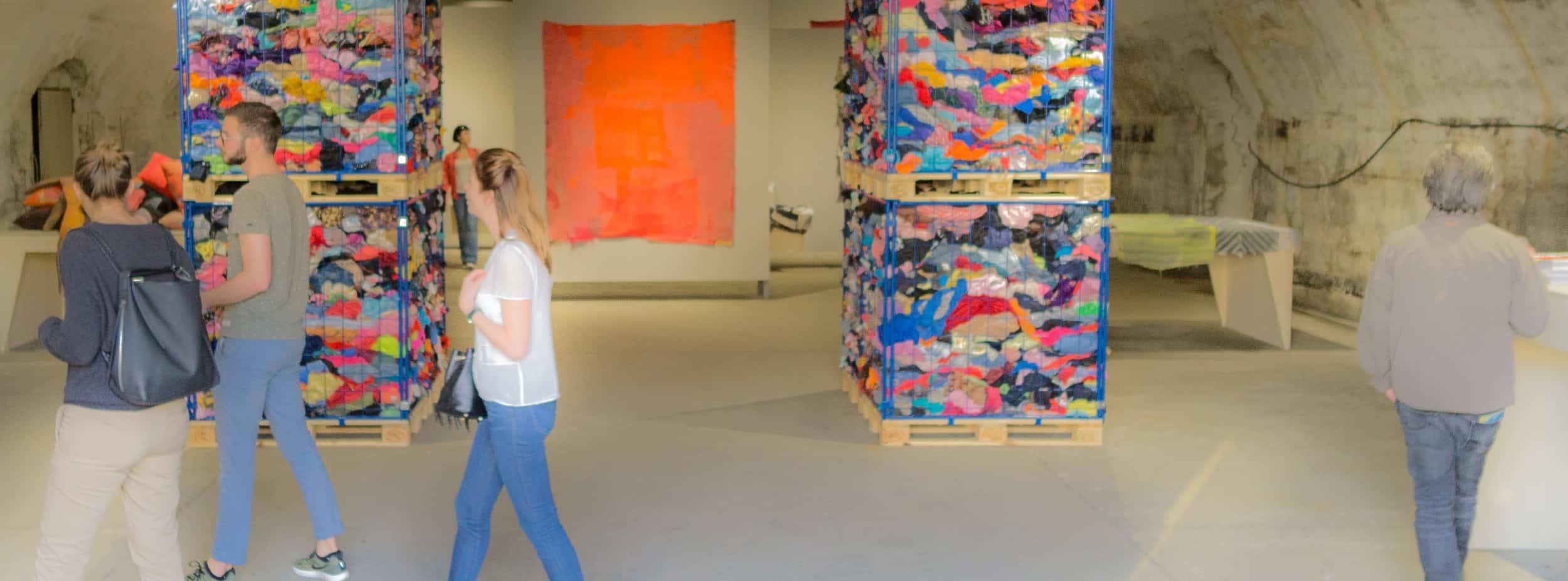
“This project was born in 2015, when we created the Makerspace with longtime collaborator and artist Sigi Ahl. She, along with Carolina Bedoya, explored ways to turn piles of old clothes and scraps into new textiles. First, they created a system to clean, sort and inventory the bags of clothes and leftover material sitting in our warehouse — a truly daunting task. Then came the fun part: experimenting with different fabrics, mixing them together and felting them to create one-of-a-kind designs like the extraordinary WallWorks you see here.
“Though the process of felting is age-old, what is new is how we’re scaling our systems to create a truly sustainable business model that’s circular by design. We hope this exhibition inspires you to see the beauty — and possibility — in your old clothes.”
Increase your Material Intelligence:
Subscribe now!Support from the following companies made this coverage possible: